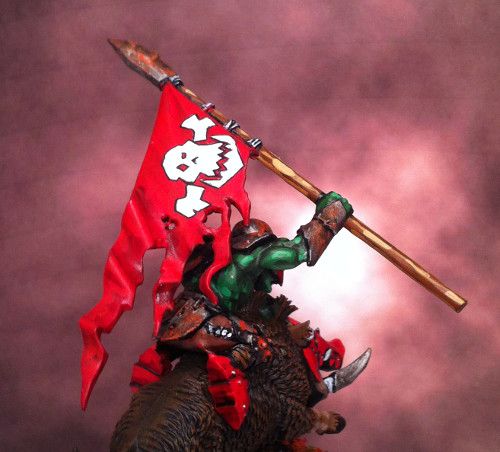
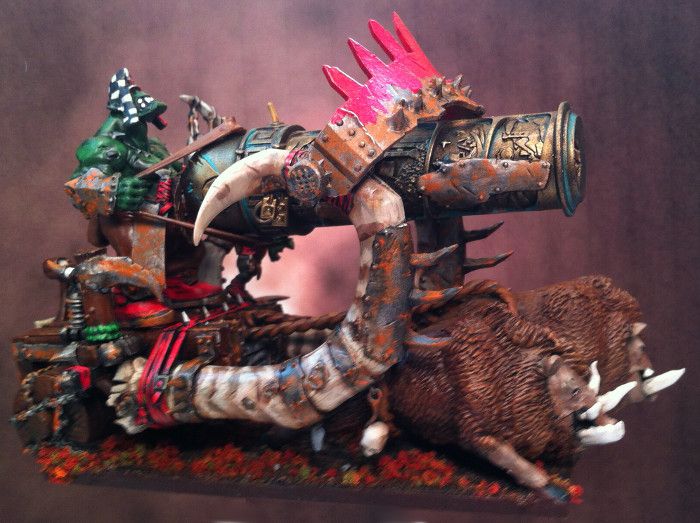
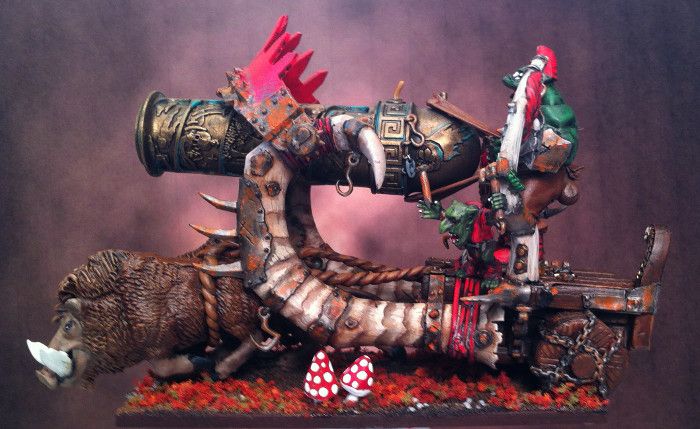
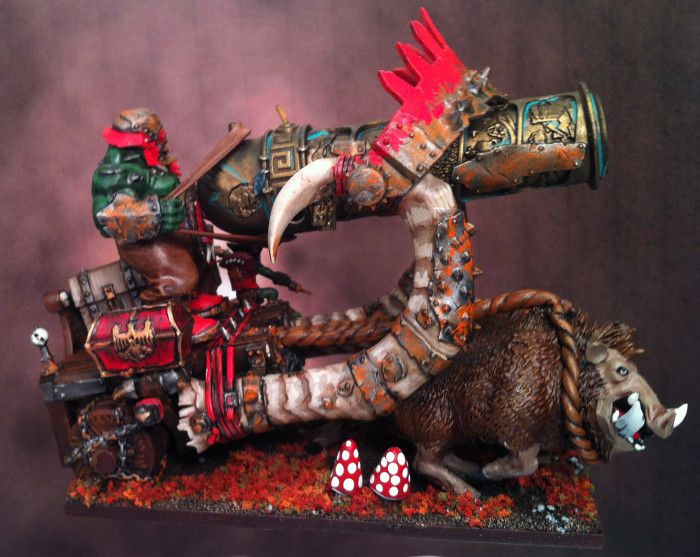
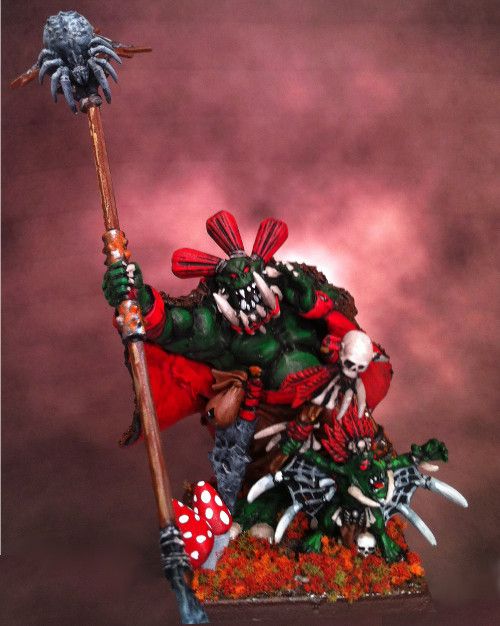
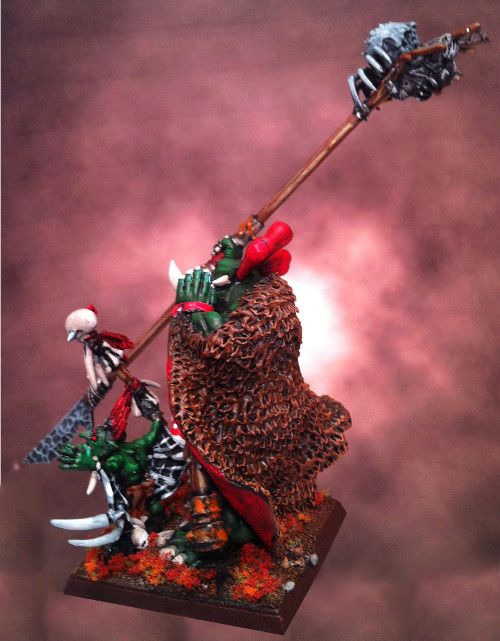
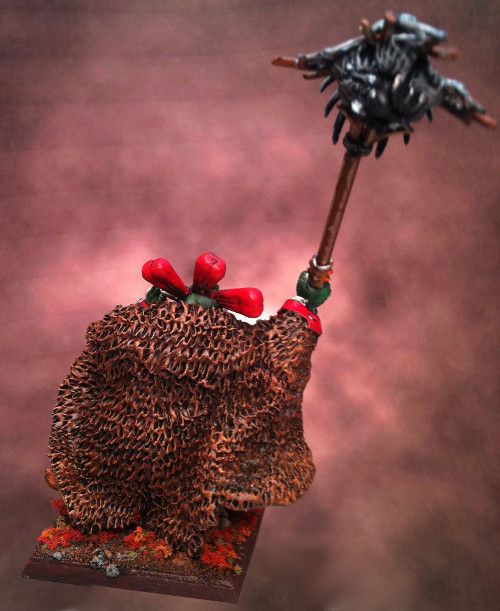
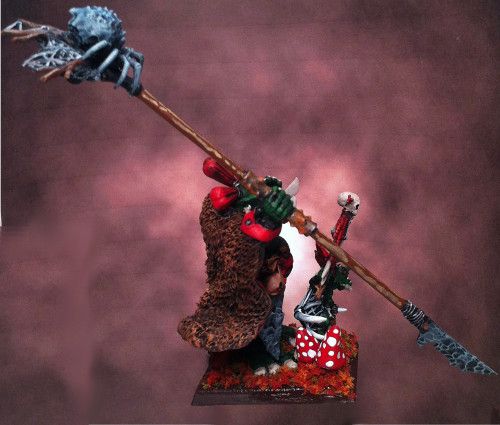
Fur is super duper easy. You don't really need much at all: green stuff, an eXacto knife, and patience.

I'll work on the top of this blister pack so you can see. What I will say is, if you're going to do a cloak or something, sculpt your cloak shape first, let it dry
completely (like for two days), then follow these steps.
Prepare your green stuff. You'll notice I like a little more yellow than blue in my mix.
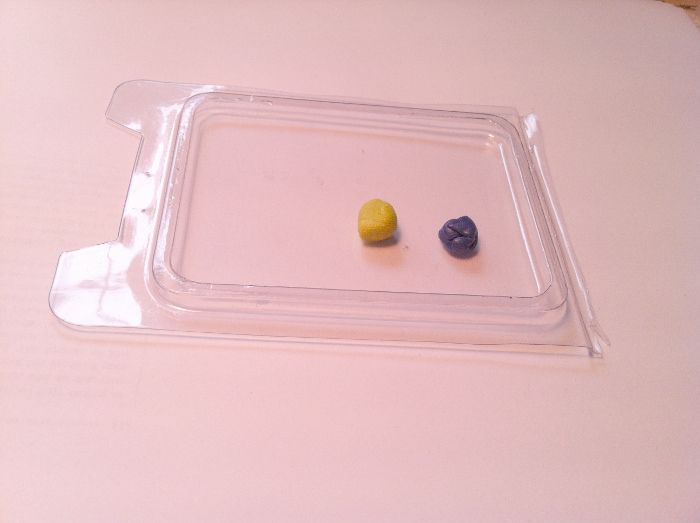
Press them together and mush them up until they're fully blended.
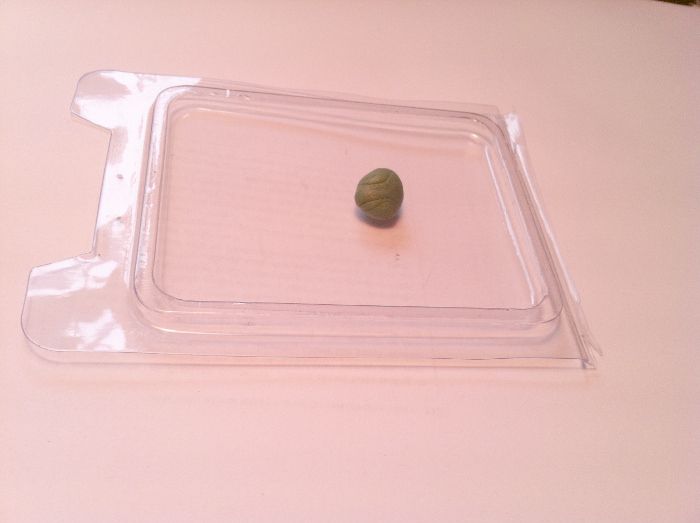
Now you're going to want to press a thin layer of the green stuff over the shape of your cloak or whatever. Don't worry about being too neat, and don't worry about fingerprints. They're going to disappear. Just keep the green stuff within the shape edges and you're fine.
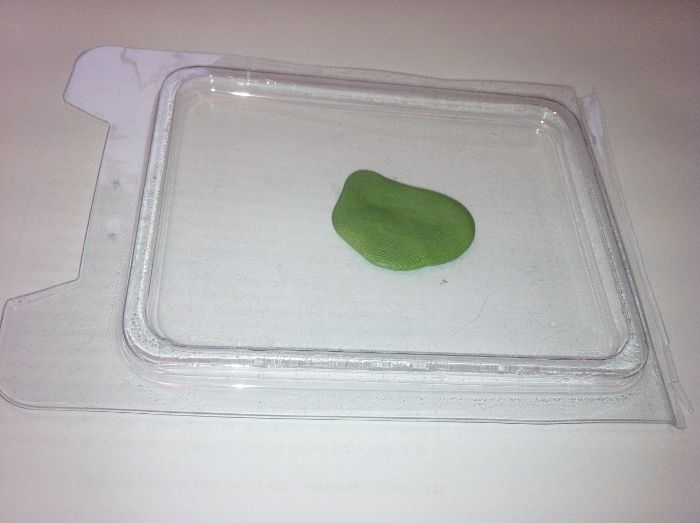
Get your eXacto knife. You'll notice the blade I'm using is super sharp, but the pointed tip has been snapped off ever so slightly before the end of the blade. That's on purpose. You don't HAVE to do this, but I find it helps to have a square end rather than a pointed one.
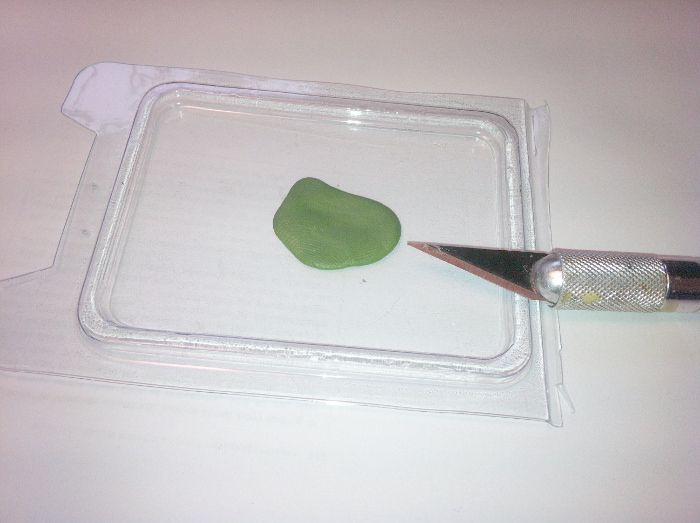
Now, along the bottom most edge of whatever you're working on, make a series of small cuts and pull toward you slightly with each one. This will create a nice, furry frayed edge.
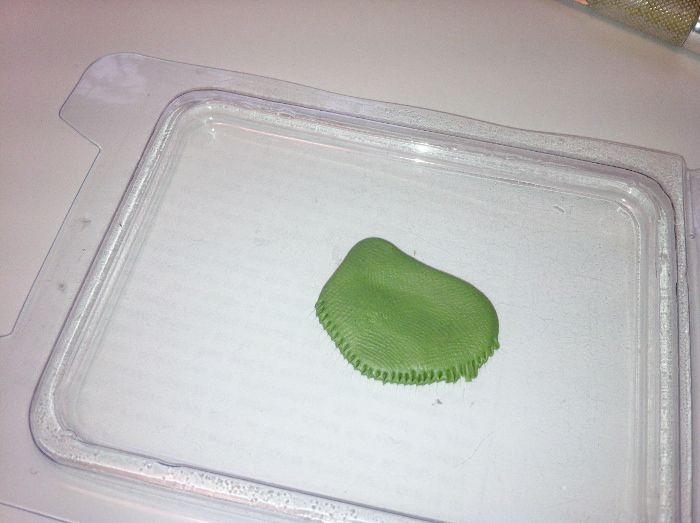
Go back to the beginning, and do the same thing in a new row. This time, though, when you pull toward yourself, you should be creating a sharp row of "spikes" that overlap the original row. This is important for adding texture.
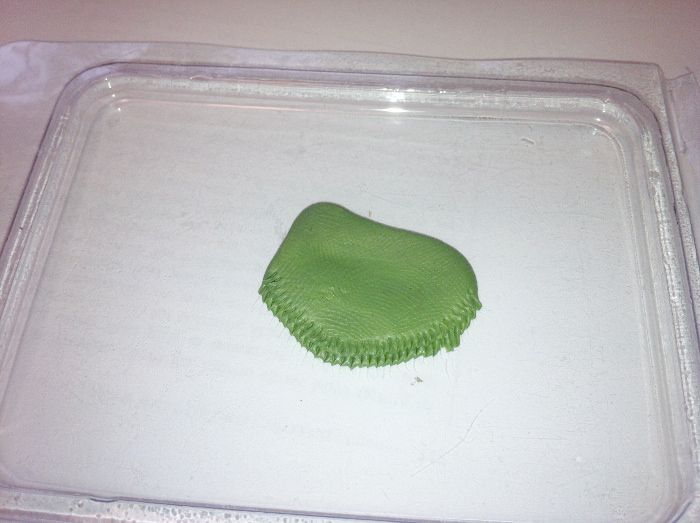
Keep going!
You don't want to stop in the middle of this project, so once you start, plan to finish the whole cloak or whatever in one sitting. If it's too big of an area to do in one go, I wouldn't recommend starting it at all until you have enough time to do the whole thing.
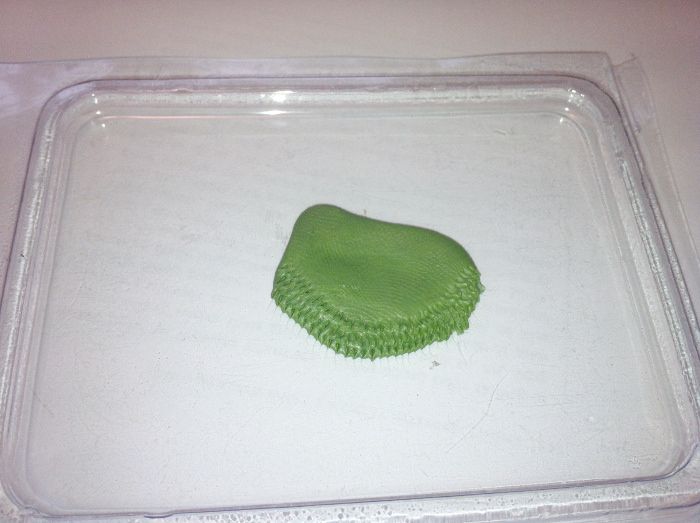
When you're all done, you should have something that looks like this:

The last step I do is, along the top edge, I use the back of the blade to sort of push down here and there to create an uneven edge. I think it looks more natural.
And that's that! Remember: green stuff holds primer like garbage, so I normally let the thing dry for a day or two, then lightly sand the area with a very fine grain sandpaper stick before I primer it. I find creating a tiny bit of roughness on the surface helps.
Hope that's helpful for you!